

Flooding can cause serious problems for homeowners and business owners, even after the visible water has disappeared. While removing standing water is an important first step, hidden moisture can remain inside walls, ceilings, flooring, insulation, and other building materials. Consequently, mold may begin developing and create additional property concerns. Therefore, finding a reliable post-flood mold control service near in Deerfield Beach, FL, is essential for protecting your property after unexpected flooding.
Deerfield Beach, Florida, experiences warm temperatures, seasonal storms, and humid weather conditions. As a result, properties affected by flooding can face additional moisture-related challenges. Moreover, when wet materials are not dried properly, mold can develop in areas that are difficult to see or reach.
That is where Express Mold Services can help. The company provides professional mold inspection, testing, removal, remediation, and restoration solutions for residential and commercial properties throughout South Florida.
Whether your property has experienced storm flooding, plumbing leaks, roof damage, or another water-related emergency, addressing moisture problems promptly is important. Furthermore, professional mold control can help identify hidden contamination, remove affected materials when necessary, and address the conditions that allow mold to return.
If you want to protect your home or business after flooding, understanding the mold control process is the first step toward a cleaner and healthier indoor environment.
Why Post-Flood Mold Control Is Important in Deerfield Beach
Floodwater can enter a property through doors, windows, damaged roofing, plumbing systems, and foundation openings. However, the damage does not always end when the water is removed.
In fact, moisture can remain trapped inside porous building materials for extended periods. Additionally, Florida’s humid climate can make it more difficult to dry affected areas completely.
Mold spores are naturally present in indoor and outdoor environments. Nevertheless, when they encounter moisture and suitable materials, they can begin growing.
Therefore, post-flood mold control should focus on more than removing visible mold.
A professional approach may help property owners:
- Identify visible and hidden mold growth.
- Locate moisture trapped inside building materials.
- Address the original source of water intrusion.
- Remove affected materials when necessary.
- Clean and treat appropriate surfaces.
- Reduce conditions that encourage future mold development.
- Restore affected residential and commercial spaces.
Furthermore, early intervention can help limit additional property deterioration and reduce the likelihood of more extensive restoration work.
The U.S. Environmental Protection Agency recommends removing standing water and drying indoor areas promptly after flooding. Ideally, wet materials should be dried within 24 to 48 hours when possible. However, if that timeframe has passed, professional assessment is still important.
Common Causes of Mold Growth After Flooding
Understanding what causes mold growth can help property owners recognize potential problems before they become more extensive.
Although flooding is a major source of indoor moisture, several other issues can contribute to mold development after a water-related incident.
1. Storm-Related Flooding
Heavy rainfall and tropical weather can introduce significant amounts of water into residential and commercial buildings.
For example, water may enter through damaged windows, exterior doors, roofing systems, or low-lying entry points.
Furthermore, floodwater may contain dirt, debris, and other contaminants. Therefore, affected materials may require specialized cleaning and professional evaluation.
2. Plumbing Failures
Burst pipes, damaged water supply lines, and leaking plumbing fixtures can release water inside walls and beneath flooring.
Even when the visible water is cleaned up quickly, moisture may remain in concealed areas.
Consequently, a professional inspection can help identify problems that ordinary household cleaning may overlook.
3. Roof Leaks
A damaged roof can allow rainwater to enter the attic, insulation, ceilings, and surrounding walls.
Additionally, repeated exposure to moisture can weaken certain building materials and create conditions suitable for mold development.
4. Poor Ventilation
After flooding, inadequate airflow can slow the drying process.
For instance, enclosed rooms, storage spaces, and areas behind furniture may remain damp longer than exposed surfaces.
Therefore, proper drying and moisture management are important parts of post-flood recovery.
5. Air Conditioning and Drainage Problems
Blocked condensate lines, damaged drainage systems, and excessive indoor humidity can contribute to ongoing moisture issues.
Moreover, if an HVAC system has been exposed to floodwater or contamination, it should be professionally evaluated before being operated again.
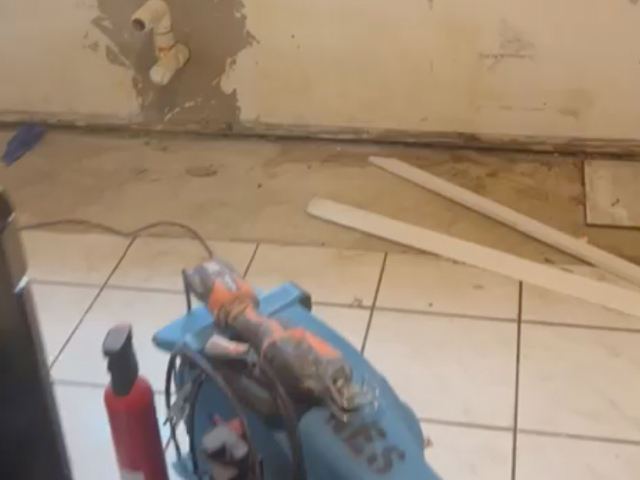
Warning Signs You Need Professional Post-Flood Mold Control
Not every mold problem is immediately visible. In many cases, the earliest warning signs appear through changes in the property’s appearance, smell, or indoor conditions.
Therefore, homeowners and business owners should pay attention to the following indicators:
- Musty or unpleasant indoor odors.
- Dark spots on walls or ceilings.
- Discoloration around baseboards.
- Peeling paint or bubbling wallpaper.
- Warped wood flooring.
- Damp carpets and furniture.
- Persistent condensation.
- Water stains on ceilings.
- Visible mold around windows or bathrooms.
- Repeated moisture problems after previous repairs.
Furthermore, mold can develop behind drywall, underneath carpets, and inside insulation.
If you notice these warning signs after a flood, arranging a professional mold inspection can help determine the extent of the problem.
Professional Mold Inspection and Testing After Flood Damage
Before beginning mold remediation, understanding the affected areas is essential.
A professional inspection helps determine where moisture is present, how far contamination may have spread, and what restoration steps may be necessary.
Express Mold Services provides mold inspection and testing solutions designed to help property owners understand their indoor mold concerns.
The inspection process may involve several important steps.
Visual Property Inspection
First, technicians examine areas affected by flooding or water intrusion.
This may include walls, ceilings, flooring, bathrooms, kitchens, attics, and other moisture-prone locations.
Moisture Detection
Next, appropriate moisture detection equipment can help identify damp materials and potential hidden moisture.
Additionally, thermographic imaging may help locate temperature differences that indicate possible moisture-related concerns.
Mold Assessment
When appropriate, mold testing can provide additional information about suspected contamination.
However, testing requirements depend on the property and the specific situation. Visible mold and known moisture problems do not always require laboratory testing before remediation.
Source Identification
Most importantly, the underlying moisture source must be identified.
For example, if a roof leak or plumbing failure remains unresolved, mold may return even after affected surfaces have been cleaned.
Consequently, identifying the original water problem is an essential part of a successful restoration plan.
How Express Mold Services Handles Post-Flood Mold Remediation
When flooding affects your property, you need more than a temporary cleaning solution. Instead, a proper restoration approach should address contamination, moisture, and the conditions that contribute to mold growth.
Express Mold Services offers mold remediation and restoration solutions for homeowners and businesses throughout South Florida.
The company’s approach focuses on evaluating the affected areas and developing an appropriate remediation plan.
Here are some important stages of the process.
Step 1: Initial Inspection and Assessment
First, technicians assess the property to understand the extent of the moisture and mold problem.
Furthermore, identifying affected materials helps determine which areas require cleaning, removal, or additional investigation.
Step 2: Containment of Affected Areas
When appropriate, affected spaces may need to be isolated to reduce the spread of mold-contaminated dust and debris during remediation.
This is particularly important when mold is present in enclosed areas or when significant removal work is necessary.
Step 3: Removal of Contaminated Materials
Some porous materials may not be suitable for effective cleaning after extensive mold contamination.
For example, severely affected drywall, insulation, carpeting, and other materials may require removal.
However, the appropriate decision depends on the material, contamination, and condition of the property.
Step 4: Professional Cleaning and Treatment
Next, suitable cleaning methods are used to address affected surfaces and materials.
Additionally, specialized products may be used where appropriate as part of the remediation process.
Step 5: Moisture Control and Drying
Removing mold without addressing moisture is not a complete solution.
Therefore, affected areas must be dried properly, and the source of water intrusion must be corrected.
Step 6: Final Evaluation
Finally, the completed work should be reviewed to determine whether the identified remediation objectives have been addressed.
As a result, property owners can move forward with necessary repairs and restoration.
You can explore professional mold inspection and remediation services offered by Express Mold Services.
Residential Post-Flood Mold Control Services
Flooding can disrupt everyday life and make a home uncomfortable or difficult to use.
For example, water entering a bedroom may damage flooring, furniture, drywall, and personal belongings. Similarly, a flooded kitchen or bathroom can affect multiple connected areas.
Moreover, hidden moisture can remain inside walls and cabinets even after the visible water has disappeared.
Residential post-flood mold control focuses on identifying and addressing these concerns.
Common residential restoration requirements include:
- Mold inspection in flooded rooms.
- Moisture detection behind walls.
- Assessment of damaged flooring.
- Removal of affected building materials.
- Cleaning of suitable surfaces.
- Inspection of moisture-prone spaces.
- Identification of recurring water intrusion.
- Recommendations for preventing future mold problems.
Furthermore, homeowners should avoid covering moldy surfaces with paint or wallpaper.
Instead, affected materials should be properly assessed, cleaned, or removed as necessary.
Express Mold Services works with residential property owners to address mold concerns and support the restoration process.
Commercial Post-Flood Mold Control for Businesses in Deerfield Beach
Flood damage can be especially challenging for commercial property owners.
Unlike residential properties, commercial buildings may contain large open spaces, storage areas, office equipment, customer areas, and specialized business materials.
Consequently, even a localized water incident can disrupt normal operations.
For example, a plumbing failure in an office may affect carpets, walls, furniture, electrical equipment, and surrounding workspaces.
Similarly, flooding inside a retail building may damage inventory and create concerns about the condition of customer-facing areas.
Professional commercial mold remediation helps businesses address these issues through an organized approach.
Important commercial restoration considerations include:
- Inspection of affected workspaces.
- Identification of hidden moisture.
- Assessment of damaged materials.
- Appropriate mold containment.
- Removal of contaminated building components.
- Professional cleaning and remediation.
- Moisture control and drying.
- Coordination of necessary repairs.
Additionally, commercial restoration planning should consider employee safety, building accessibility, and business operations.
Express Mold Services provides commercial mold remediation and restoration services for businesses that need professional assistance with mold-related property damage.
Important Differences Between Water Damage Cleanup and Mold Remediation
Although water damage restoration and mold remediation are closely connected, they are not exactly the same service.
Water damage cleanup focuses on removing water and addressing damage caused by moisture. On the other hand, mold remediation focuses on managing and removing mold contamination while correcting the moisture conditions that support its growth.
Understanding the difference helps property owners recognize why both processes may be necessary.
| Service | Main Purpose | Typical Activities |
| Water extraction | Remove standing water | Pumps and extraction equipment |
| Structural drying | Remove remaining moisture | Air movers and dehumidifiers |
| Mold inspection | Identify potential mold concerns | Visual assessment and moisture detection |
| Mold remediation | Address mold contamination | Containment, removal, and cleaning |
| Property restoration | Repair affected building areas | Drywall, flooring, and other repairs |
Furthermore, completing only one stage may leave other problems unresolved.
For example, removing visible mold without repairing a leaking pipe may allow moisture to return.
Therefore, a coordinated restoration plan is important after significant flooding.

Why Deerfield Beach’s Climate Makes Mold Prevention Important
Deerfield Beach is located in South Florida, where warm temperatures and humid conditions can create challenges for property owners.
Although humidity alone does not guarantee mold growth, excess moisture combined with suitable building materials can create favorable conditions.
Additionally, seasonal storms and heavy rainfall can increase the likelihood of water intrusion.
For these reasons, homeowners should pay attention to vulnerable areas throughout the property.
Bathrooms and Laundry Areas
These spaces regularly produce moisture. Therefore, proper ventilation and timely leak repairs are important.
Attics and Roof Spaces
Roof leaks may allow water to accumulate in insulation and wooden structural components.
Furthermore, hidden moisture in these areas can remain unnoticed for extended periods.
Kitchens and Cabinets
Plumbing connections beneath sinks and around appliances should be inspected regularly.
Air Conditioning Areas
Condensate drainage problems can introduce unwanted moisture around HVAC equipment.
Storage Rooms and Closets
Enclosed spaces with limited airflow may remain damp longer after flooding.
Consequently, routine property maintenance and prompt moisture control can help reduce future mold concerns.
How to Protect Your Property Immediately After a Flood
The actions taken immediately after flooding can influence the amount of damage a property experiences.
However, safety should always come first.
Consider these important recommendations:
1. Make Sure the Building Is Safe
Do not enter flooded areas if electrical, structural, or other hazards may be present.
If water has reached electrical outlets or equipment, wait for qualified professionals to determine when the area is safe.
2. Document the Damage
Take photographs and videos of affected rooms, furniture, and building materials before beginning cleanup, provided it is safe to do so.
Additionally, contact your insurance provider to understand documentation requirements.
3. Remove Standing Water When Safe
Standing water should be addressed promptly. However, contaminated floodwater may require professional handling.
4. Begin Proper Drying
Wet materials should be dried as quickly as possible, ideally within 24 to 48 hours when conditions allow.
Nevertheless, visible mold, contaminated water, or extensive flooding may require professional intervention.
5. Avoid Disturbing Moldy Materials
Scrubbing or removing extensive mold without appropriate protective measures can spread contaminated dust.
Therefore, arrange a professional assessment when mold is widespread or hidden.
6. Evaluate Your HVAC System
If the HVAC system was exposed to floodwater or mold contamination, have it assessed and appropriately cleaned before operating it.
The U.S. Environmental Protection Agency and Centers for Disease Control and Prevention provide additional information about flood cleanup and mold safety and safe cleanup practices after disasters.
How to Prevent Mold from Returning After Flood Restoration
Removing existing mold is important. However, preventing recurring moisture problems is equally essential.
Otherwise, the same conditions may allow mold to develop again.
Here are several practical ways to protect your property.
Repair Water Leaks Promptly
First, inspect plumbing connections, roofing, windows, and other areas where water may enter.
Additionally, repair damaged components instead of relying on temporary solutions.
Maintain Indoor Humidity
Use appropriate air conditioning and dehumidification to help manage indoor moisture.
Improve Ventilation
Bathrooms, kitchens, and laundry areas benefit from suitable ventilation.
Furthermore, make sure exhaust fans and drainage systems function properly.
Inspect Vulnerable Areas Regularly
Check attics, closets, under-sink cabinets, and other moisture-prone spaces for warning signs.
Address Water Damage Immediately
Even a relatively small leak can create a larger problem when ignored.
Consequently, early action is one of the most effective ways to reduce recurring mold concerns.
For additional educational information, homeowners can explore the mold prevention and property maintenance resources shared by Express Mold Services.
Why Choose Express Mold Services Near Deerfield Beach, FL?
Choosing the right mold remediation company is an important decision, especially after a flood.
You need professionals who understand moisture-related problems, recognize the importance of proper inspection, and can recommend suitable remediation solutions.
Express Mold Services provides mold inspection, testing, cleanup, removal, and restoration services throughout South Florida.
Here are several reasons property owners may consider the company.
Experienced Mold Remediation Team
The company highlights more than 20 years in the field and over 45 years of combined team experience.
Furthermore, its professionals are trained and certified in mold-related services.
Advanced Inspection Technology
Identifying hidden moisture is important after flooding.
The company uses moisture detection technology and thermographic imaging to help identify potential problems without unnecessarily opening every wall.
Residential and Commercial Services
Whether you own a house, office, retail property, or another commercial building, the company offers services for different property requirements.
Insurance Claim Assistance
Handling insurance paperwork after flooding can be stressful.
Express Mold Services states that it assists with mold remediation insurance claims and can help coordinate documentation and insurance billing.
However, coverage and payment remain subject to the individual policy and insurer’s approval.
Complete Mold Remediation Support
From the initial inspection to remediation and follow-up, the company emphasizes managing the mold remediation process.
Local Deerfield Beach Presence
Express Mold Services lists a Deerfield Beach location at 256 South Military Trail, Deerfield Beach, FL 33442.
Additionally, the company serves other communities throughout Broward and Palm Beach counties.
These services make the company a convenient option for property owners seeking professional mold assistance after flooding.
Frequently Asked Questions About Post-Flood Mold Control Service Near in Deerfield Beach, FL
1. How soon should I arrange mold inspection after flooding?
You should arrange an assessment as soon as it is safe to access the property. Ideally, wet materials should be dried within 24 to 48 hours when possible. However, if that timeframe has passed, professional inspection is still important.
2. Can mold grow after floodwater has been removed?
Yes. Mold can develop when moisture remains trapped inside building materials. Therefore, removing standing water alone may not solve the problem. Thorough drying and moisture control are also necessary.
3. What are the common signs of post-flood mold growth?
Common warning signs include musty odors, dark spots, peeling paint, damp drywall, warped flooring, and persistent moisture. Nevertheless, mold may also develop in hidden areas that require professional inspection.
4. Does Express Mold Services provide mold inspection in Deerfield Beach?
Yes. Express Mold Services provides mold inspection, testing, and remediation services in Deerfield Beach and surrounding South Florida communities.
5. Can mold develop behind walls after flooding?
Yes. Water can enter drywall cavities and insulation, creating hidden moisture problems. Consequently, professional moisture detection can help identify affected areas.
6. Is mold remediation necessary after every flood?
Not every flood results in visible mold growth. However, if building materials remain wet or contaminated, mold may develop. Therefore, inspecting affected areas and drying materials promptly is important.
7. Does Express Mold Services handle commercial mold remediation?
Yes. The company offers commercial mold remediation services for businesses and other non-residential properties. Services can be evaluated according to the building’s condition and restoration requirements.
8. Can I remove post-flood mold myself?
Small areas of mold on suitable surfaces may sometimes be cleaned safely. However, extensive contamination, contaminated floodwater, hidden mold, and damaged building materials require professional evaluation. People with asthma, mold allergies, or weakened immune systems should avoid participating in mold cleanup.
Protect Your Property with Express Mold Services
Flood damage can create lasting problems when moisture remains inside walls, floors, ceilings, and other building materials. However, taking the right steps early can help reduce additional damage and address potential mold growth.
Therefore, post-flood mold control should include more than surface cleaning. A complete approach involves identifying hidden moisture, evaluating affected materials, removing contamination when necessary, and correcting the source of water intrusion.
Express Mold Services provides professional mold inspection, testing, remediation, and restoration solutions for residential and commercial property owners in Deerfield Beach, FL, and surrounding communities.
Furthermore, the company’s experienced team, inspection technology, commercial services, and insurance claim assistance help property owners navigate the remediation process.
Whether your property has experienced storm flooding, plumbing damage, or another moisture-related emergency, professional guidance can help you move toward a safer and cleaner indoor environment.
Do not let hidden moisture turn into a bigger mold problem. Contact Express Mold Services today at (954) 372-9678 or visit the Express Mold Services contact page to schedule an inspection and discuss professional post-flood mold control service near in Deerfield Beach, FL.
Recent Comments